
Start with the ordinary moment
A short neighborhood walk can turn into picking up a prescription, buying bread, and meeting a friend. A little preparation helps without making a local outing feel like an expedition. Bring the essentials required by your route and conditions, then leave the rest. This guide is about practical carrying and everyday organization; it is not a training plan or a promise of health outcomes.
Make the arrangement work before you shop
Start with keys, the payment method you use, and any necessary phone or identification. Add weather-appropriate layers and items specific to the route. A compact reusable bag can handle an unplanned purchase without forcing every item into a small handbag. Keep frequently accessed essentials in a consistent pocket so you do not have to empty the bag at a checkout. If you carry water, make sure the container closes securely and has its own sensible place away from papers or electronics. Review the kit after returning rather than leaving old receipts inside.
Choose by the job, not the complete set
A local kit should reflect the outing rather than an abstract list of essentials. Walking to the corner shop needs a different load from an afternoon that includes several errands and a longer journey home. Check the route, weather, and any appointment requirements before leaving. Keep the bag light enough for your own comfort and carry only the objects that have a purpose on that trip.
Compare bag shapes through access. A crossbody can keep essentials close, but its strap and loaded weight need to suit you. A backpack may distribute a larger load differently, while requiring you to remove it to reach some compartments. A tote is easy to open but may need a secure separate location for important small items. None is automatically the best choice. Match the format to the purchases and actions the route involves.
The first upgrade might be organization rather than a new bag. Move frequently used essentials to a consistent pocket, remove old receipts, and add a compact spare carrier for shopping if necessary. Only compare a larger bag when the cleaned-up contents still do not fit comfortably. When browsing, read the exact closure, strap, and material information; do not assume a retailer's collection label guarantees every feature you need.
At the end of the walk, reset the kit for its next use. Remove purchases, put keys in their normal home, and deal with damp items. Keeping everything permanently packed may sound convenient, but it can leave you carrying yesterday's unnecessary objects. A simple familiar sequence is often more useful than another small accessory.
Measurements and details to check
Try the bag with the jacket or coat you normally wear. Check whether it shifts when you walk and whether the closure is accessible. Consider the weight of the filled bag rather than the empty one. A strap should adjust to your preference without hanging loose where it can catch on nearby objects.
Shopping paths and their tradeoffs
The retailer links below are starting points for comparing appropriate options, rather than a claim that every item in a collection will fit. These are editorial suggestions based on the intended use and the retailers' published categories. We have not performed hands-on product tests for this guide. Stock, specifications, shipping, and prices can change; check the selected product's current information.
MUJI backpacks and work bags: Compare carrying shapes for the essentials and distance you expect. The tradeoff is straightforward: A larger bag can invite unnecessary weight. If that limitation conflicts with the routine described here, continue comparing rather than accepting it for the look.
MUJI everyday range: Browse a compact accessory only if it solves a repeated access problem. Keep this limitation in mind: Check closures and dimensions for the exact item. A retailer with several suitable-looking choices still needs to be narrowed by the way your household uses the space.
IKEA home range: Explore practical reusable carrying options for occasional shopping. Before committing, remember: A shopping bag may supplement rather than replace a secure day bag. Browse with a short list of requirements so a useful purchase does not become an unplanned bundle.
Care belongs in the purchase decision
Empty and inspect the bag regularly, follow its fabric care instructions, and dry damp items before storing them. Refill or clean any reusable drink container according to its instructions. Rotate weather items as conditions change so an old bulky layer does not permanently crowd a bag meant for a simple local trip.
What not to overbuy
Avoid an elaborate outdoor kit for a familiar short errand route. A specialist bag may be unnecessary if your existing one is comfortable and closes securely. Extra bottle pockets, organizers, and clips are only helpful when they serve items you actually carry. The most practical upgrade may be a small foldable shopping bag rather than a new main bag.
Try it in an ordinary week
Take the existing bag on two ordinary routes: one short walk and one outing with purchases. Note which items were difficult to reach and whether the load stayed comfortable. Remove unused objects before shopping for more capacity. Compare a new bag with the actual combination of essentials, rather than imagining it empty and perfectly organized.
Questions worth answering first
Is a crossbody or backpack better? Choose by carrying comfort, access, and what the route involves. Do you need a separate wallet? Not always; use a secure arrangement appropriate to your essentials. Should the bag be waterproof? Check exact product claims and your conditions; do not infer protection from a coated-looking photograph.
Options to consider
Use these retailer collections as starting points. Check the current product description, sizing, delivery and return terms before ordering; availability and prices can change.
Sources & further reading
Official information checked October 8, 2026. This guide presents research-based editorial advice, not a claim of hands-on product testing.
- MUJI backpacks and work bags — official retailer
- MUJI everyday range — official retailer
- IKEA home range — official retailer
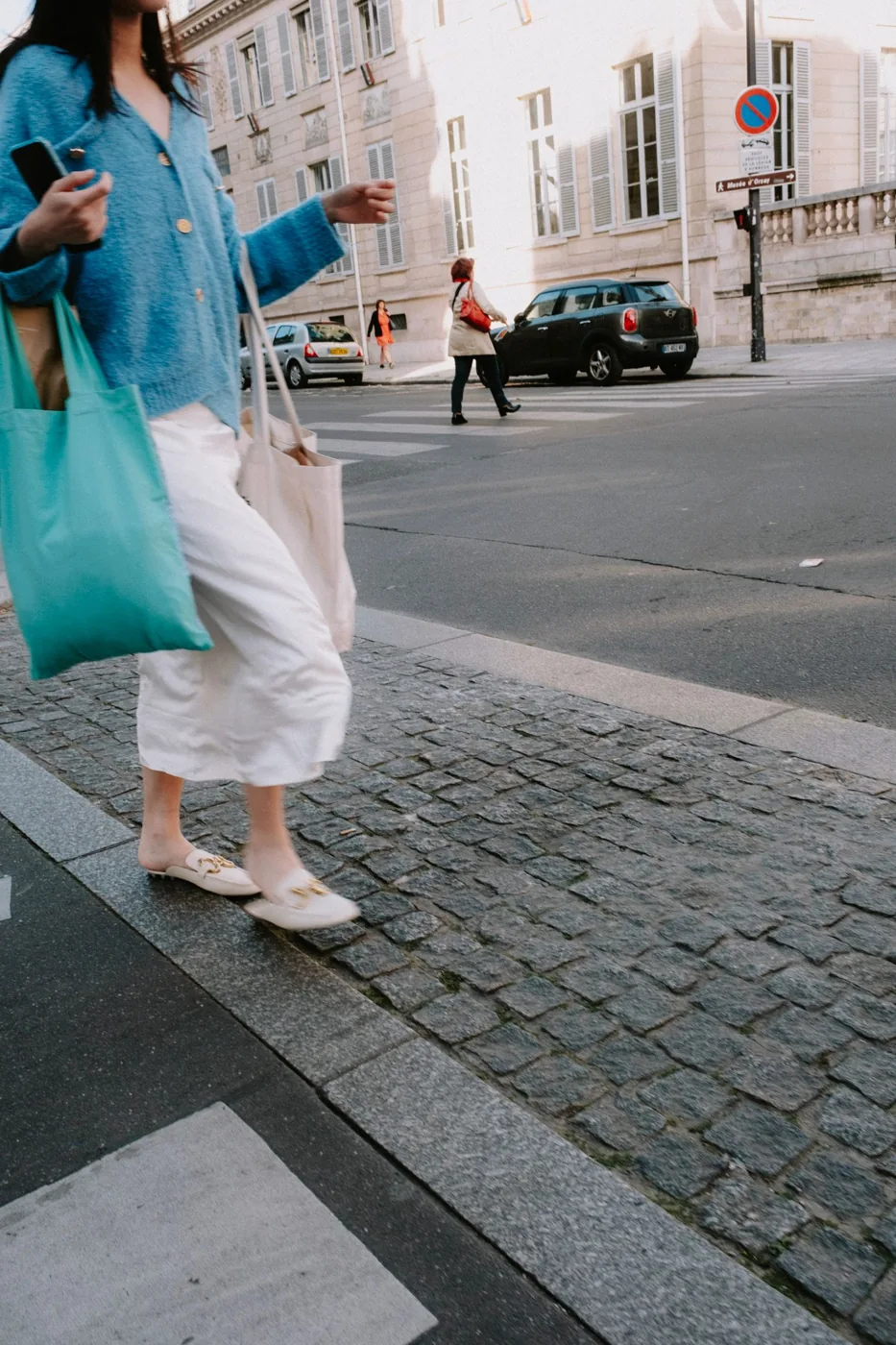
Illustrative stock photograph by Mathias Reding: photo source. This scene does not identify our author or establish a product test.