Ask what the photograph should feel like
Family photographs can be a relaxed park walk, a holiday card session, or an indoor gathering. Start with the location and the photographer's practical guidance. Ask about the ground, likely temperature, and whether the session includes sitting or movement. Clothes that work for a standing portrait on a clean floor may be unsuitable for a grassy slope or a child who wants to run.
Decide the level of formality together. One person in a suit and another in sportswear can make the picture feel unintentionally mismatched, but identical outfits are not required. Aim for a shared mood: relaxed, polished casual, or more dressed up. Each person should still feel recognizable. A photograph you enjoy later is more likely to come from comfortable interaction than from everyone tolerating an unfamiliar costume.
Choose a small palette with some variation
Select two or three colors already present in the family's wardrobes. For example, navy, soft blue, and cream can offer a starting point, while earth tones can provide another direction. These are examples rather than rules about what photographs well. Look at the clothes together in daylight and consider the setting. A pale background and pale clothing may give less contrast than you want, while strong colors can become a deliberate feature.
Give each person a different combination within the palette. A navy trouser, a blue shirt, and a cream knit can connect without looking like a uniform. Add texture through existing fabrics rather than using many competing prints. If someone strongly prefers a patterned item, build the rest of the palette around colors in that pattern. The easiest plan usually starts with the most difficult-to-change outfit rather than forcing every person to buy something new.
Test movement and comfort in advance
Have everyone try the complete outfit, including shoes, before the session day. Sit, bend, and lift an arm. Check whether collars stay comfortable, waistbands allow sitting, and hems stay clear of the ground. For children, ordinary play movement is a useful test. Clothing that cannot tolerate the activities planned for the session may produce frustration before the first photograph.
Inspect fabrics in daylight for transparency and distracting underlayers. Look at how pieces overlap: a long shirt under a shorter knit can be intentional, but it should not surprise you on the day. Avoid changing a person's usual footwear to an untested pair just for a photograph. If new shoes are genuinely needed, fit and comfort take priority over a color match. A neutral familiar shoe can be a better choice than a perfectly coordinated uncomfortable one.
Fill only the real gap
Lay out the available outfits first. You may discover that the only missing element is a simple shirt, rather than a complete coordinated wardrobe. J.Crew's official shirts and tops collection and UNIQLO's linen collection are browsing options for comparing silhouettes and fabrics. Choose a piece with another role after the session, such as work, weekends, or a future gathering. That makes the purchase more useful without insisting that every photo outfit be entirely everyday clothing.
Read the individual listing's composition and care guidance. The linen collection includes different fabric types, so the category name does not establish the feel or opacity of a specific piece. Check current return conditions if you need to compare sizes at home. Do not remove tags until the outfit has passed its movement check and the family palette looks coherent together. The aim is a manageable plan, not an order large enough to duplicate a styled catalogue photograph.
Pack for the session rather than perfection
Bring a layer for waiting between photographs and any ordinary practical items the family needs. If the location is outdoors, consider a clean place to set bags and a suitable backup for a child likely to get wet or muddy. Ask the photographer what is useful rather than carrying a large collection of alternate outfits. Too many choices can consume the time you hoped to spend taking pictures.
Set everything out the night before, including socks and accessories. Keep jewelry and hair details consistent with how you usually feel comfortable. Once the session starts, accept small signs of life: a sleeve that moves, an imperfect tuck, or a child's preferred expression. The clothing should help the family look connected while allowing genuine interaction. Coordination succeeds when nobody has to spend the session protecting an outfit or worrying about whether they match exactly.
A small coordination exercise
Place the outfits together before the session, including outer layers if those will appear in the pictures. Look for one piece that dominates unintentionally, then ask whether that is the effect you want. Change only what needs changing. Removing a competing print or using an existing neutral layer can be enough without making everyone buy the same shirt.
What if one family member dislikes the plan? Give them a choice within the agreed mood or palette. Comfort and willingness to participate matter more than perfect coordination. A favorite top can often be incorporated by using one of its colors elsewhere. Avoid leaving all decisions until the session morning, when time pressure makes a minor disagreement feel larger. A shared plan with room for preference is more useful than a strict matching instruction.
Options to consider
Use these retailer collections as starting points. Check the current product description, sizing, delivery and return terms before ordering; availability and prices can change.
Sources & further reading
Official information checked October 8, 2026. This guide presents research-based editorial advice, not a claim of hands-on product testing.
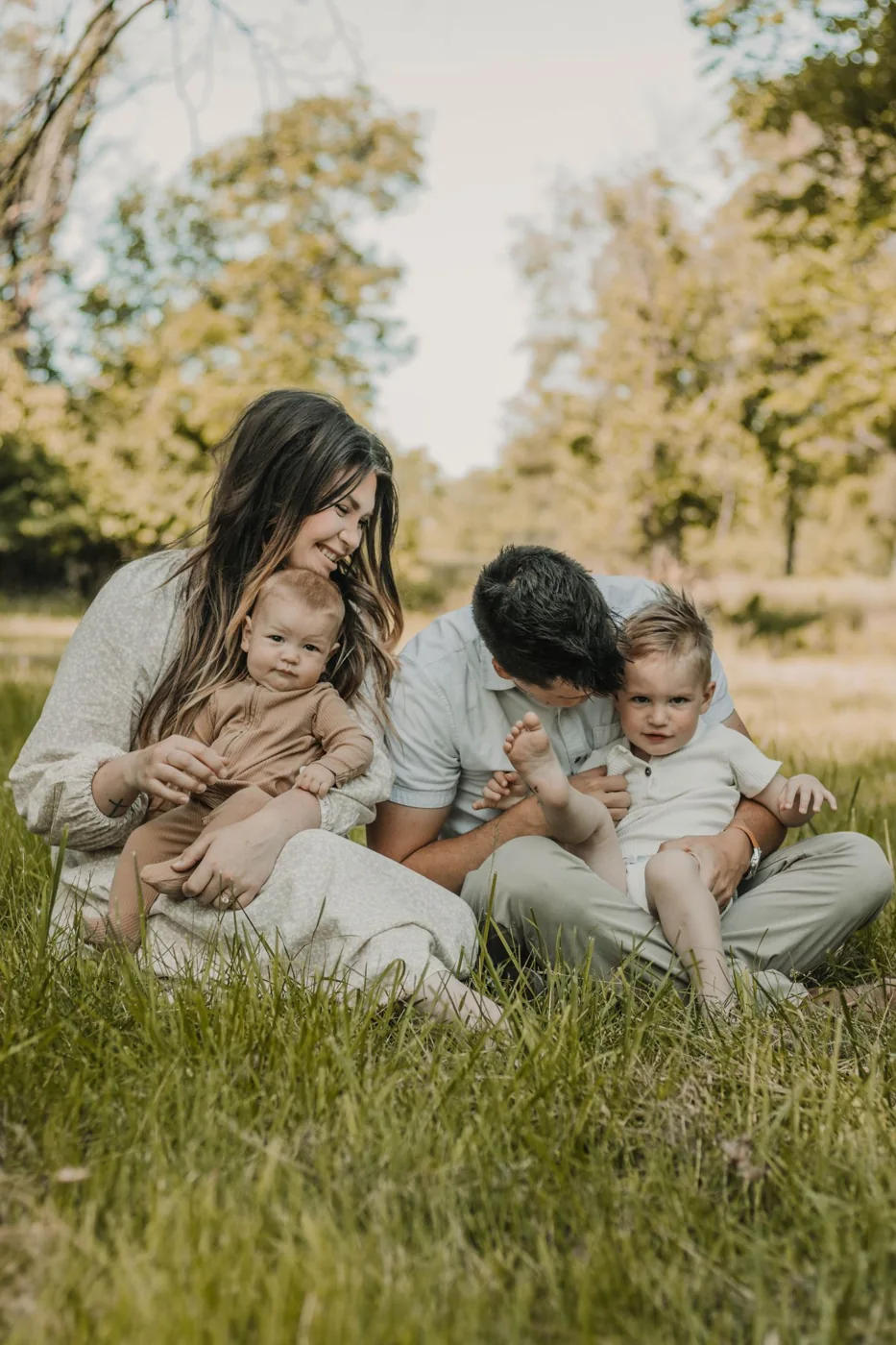
Illustrative stock photograph by Daniel & Hannah Snipes: photo source. This scene does not identify our author or establish a product test.