Bring the conditions you will wear them in
Shoe shopping is easier when you know the job the pair needs to do. A shoe for occasional dinner outings is different from one for a walking commute. Name the distance, surfaces, and time you expect to spend standing. Then bring or wear the socks, hosiery, or prescribed insert you normally use for that type of shoe. A fitting with a different underlayer can give a misleading impression.
Start with your own comfort history. Note whether shoes often rub at the heel, pinch the toes, or feel tight across the top. These observations help you ask useful questions about the new pair. They do not establish a medical diagnosis or mean one universal size adjustment will solve the problem. Persistent pain or a specific foot concern deserves appropriate professional guidance rather than a shopping article's shortcut.
Treat the number as a starting point
Nordstrom's official women's shoe conversion chart states that there is no true international sizing standard. Its conversions are intended as guidance, with product-specific fit information offering further help. That means a familiar number is a place to begin, not evidence that a pair will fit. Different shapes, materials, and construction can feel different within the same labelled size.
Try both shoes and stand normally. Check the room around the toes and the hold at the heel. Fasten straps or laces as you intend to wear them; a shoe should not require an extreme adjustment to remain usable. If one foot needs a different fit consideration, do not ignore it to keep the size label familiar. Ask what width or shape options are available and compare them without assuming that increasing length automatically solves a width problem.
Walk rather than posing
Walk enough to notice whether your heel moves excessively, the upper presses, or the toe area feels restricted. Turn, stop, and sit if the setting allows. The shoe may feel different with your weight shifting than it does while standing still. Keep the test within the retailer's rules, especially if you are trying an online purchase at home and want to preserve its return condition.
Check any decorative or structural detail that contacts your foot. A seam, buckle, or stiff edge can become more noticeable during movement. Do not buy a painful pair on the assumption that wearing it longer will certainly fix the problem. Some materials can change with use, but that is not a promise that a poor fit will become comfortable. Choose a better-fitting alternative when the initial contact already feels wrong.
Review the listing as a specification
Look for material, fastening, sole information, width options, and the retailer's fit notes. Read those details before relying on a styled photograph. A thick-looking sole does not establish cushioning performance, and a soft-looking upper does not prove softness against your foot. Nordstrom's official women’s shoe collection provides a comparison destination, but the useful information belongs to each individual pair.
If you are comparing two candidates, use the same routine for both. The difference may be clear when walking even if one looks more appealing on the shelf. Current stock, price, and return terms must be checked at purchase. If buying online, confirm the return process and any restrictions before ordering several sizes. Do not assume that a broad retailer reputation means every shoe or every sale item has the same conditions.
Decide what you can realistically maintain
Consider the material's care needs and the weather where you will use the shoes. A delicate surface may be reasonable for indoor occasions but inconvenient for a wet daily commute. Follow the maker's care guidance rather than applying one treatment to all materials. The cost of appropriate care and the space to store the pair are part of the decision, even when they are less exciting than the color.
Make a simple verdict: suitable for the intended route, comfortable in the fitting check, and compatible with at least two outfits you already wear. If one condition fails, identify why before buying. It may be a style you love but a job it cannot do. You can choose an occasion pair honestly, but avoid describing it to yourself as an everyday solution when the fit test says otherwise. A useful purchase is the pair you will actually reach for without needing a different shoe in the bag as a rescue plan.
Compare two pairs consistently
Use the same socks and the same short walking routine for each candidate. Record one clear observation about toe room, heel hold, and pressure from the upper. Comparing with consistent conditions is more useful than trying one pair quickly and spending ten minutes in the other. If a shop cannot support the test you need, review what fitting and return options are available elsewhere.
Should you buy a pair that feels uncomfortable because it might stretch? A hoped-for change is not reliable evidence of a good initial fit. Read the maker’s information and ask a knowledgeable fitter where available, but do not treat an unspecified break-in period as a guarantee. If pain or a persistent foot issue is involved, seek appropriate professional advice. A shopping checklist helps with ordinary fit decisions; it cannot diagnose a condition or promise that a particular shoe will resolve it.
Options to consider
Use these retailer collections as starting points. Check the current product description, sizing, delivery and return terms before ordering; availability and prices can change.
Sources & further reading
Official information checked October 8, 2026. This guide presents research-based editorial advice, not a claim of hands-on product testing.
- Nordstrom women’s shoes — official destination
- DSW women’s shoes — official destination
- Nordstrom women’s shoe conversion guidance
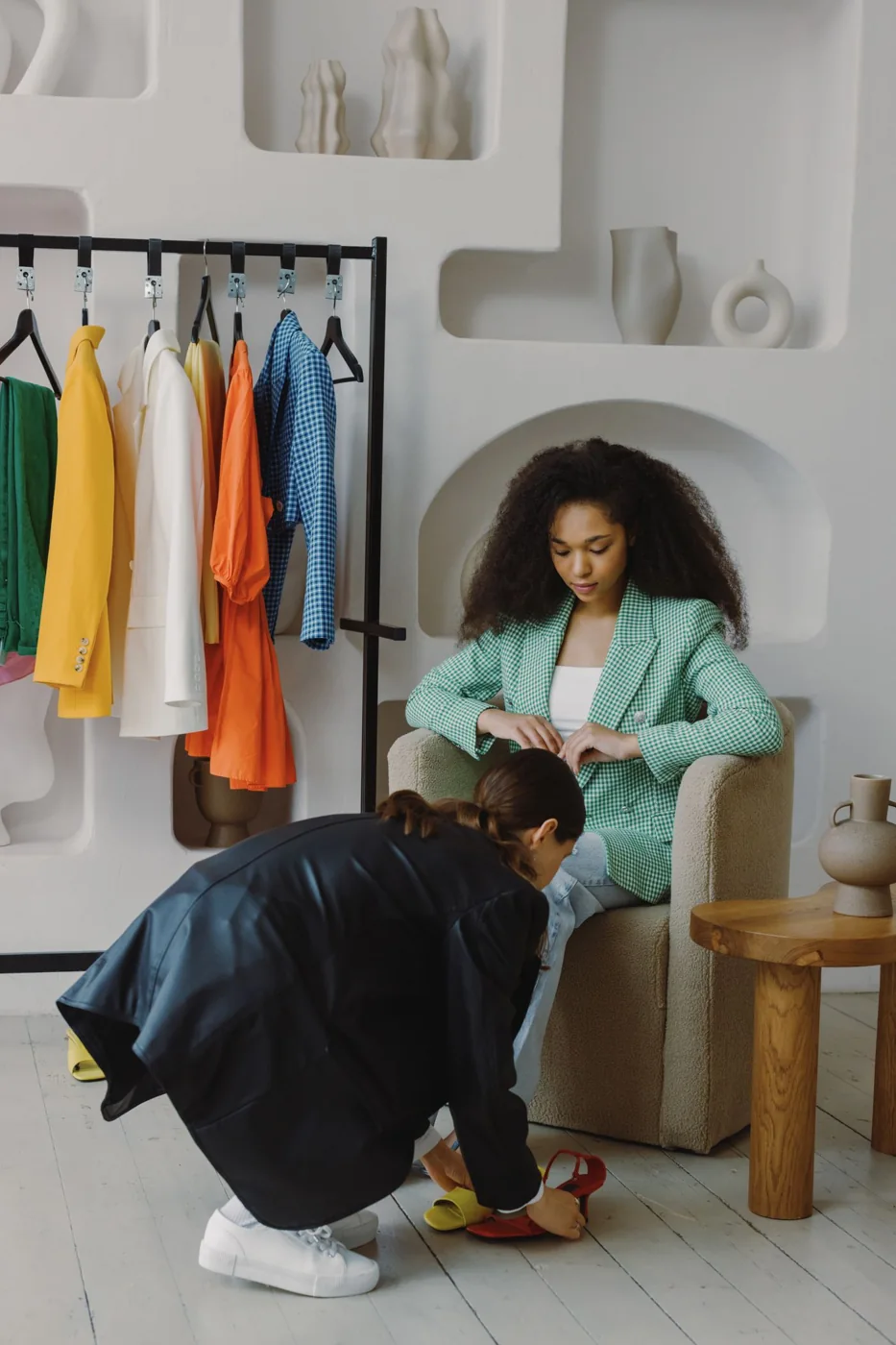
Illustrative stock photograph by Ron Lach: photo source. This scene does not identify our author or establish a product test.