
Name the fit problem precisely
A garment can feel wrong for several reasons: a trouser is too long, a waist sits differently than you prefer, a sleeve blocks your hand, or the shoulder restricts movement. Those problems are not equally simple to alter. Before deciding to replace the piece, put it on and identify what needs changing. A general feeling that it does not flatter is less useful than a clear observation about length, comfort, or where fabric pulls.
Try the garment with the shoes and underlayers you actually wear. A trouser hem should be assessed with its intended shoe height, and a jacket should be checked over the layer it will usually cover. If the problem disappears in that complete outfit, you may not need an alteration at all. If it remains, you have more concrete information to take to a tailor.
Check condition before investing
Inspect the fabric, seams, lining, closures, and areas that see frequent wear. An alteration cannot make weakened fabric new or remove every sign of wear. Look at the seat and inner thighs of trousers, the elbows of a jacket, and the edges of cuffs or pockets. If you are unsure about the condition, ask a suitable professional before committing money to the fit change.
Also ask whether you still like the garment's basic shape and fabric. Shortening a hem is not the same as turning a cut you dislike into an entirely different style. If the piece has been unworn because you do not enjoy its texture, an alteration may not solve that. Be honest about the reason it remains in the wardrobe. Repairing a liked piece can be useful; paying to preserve an unwanted one can simply delay the same decision.
Get a specific quote and explanation
Take the garment to a tailor and describe the movement or fit issue rather than requesting a guessed amount of fabric removal. Ask what the alteration would involve, what remains unchanged, and whether it affects pockets, lining, fastenings, or the overall balance. Request a price and timing estimate before agreeing. Construction and fabric can make apparently similar jobs very different.
For trousers, discuss which shoes the final length will serve. For sleeves, wear the normal underlayer. For a waist adjustment, sit and move during the fitting if appropriate. Ask whether the requested change is realistic; an experienced professional may recommend against it. Do not assume every garment can be let out, narrowed, or lengthened, because the available fabric and construction limit the work. A clear explanation is part of a useful quote.
Compare total cost with a replacement
Add the proposed alteration to any cleaning or repair the garment needs. Then compare that total with a realistic replacement you would actually choose, not an imaginary perfect item. Include the effort of finding, fitting, and returning replacements. A cheap new trouser that still needs hemming may cost more overall than the price tag suggests. Conversely, a major alteration to a worn garment may not be worthwhile for your situation.
Everlane's official trouser collection can provide replacement options with listing-specific inseams, while J.Crew's shirt collection can help if sleeve or body shape is the main issue. These are comparison destinations, not reasons to abandon an existing piece. Check individual measurements, materials, and current price. The replacement needs to solve the named problem; another item in a similar unsuitable cut is not a better option simply because it is new.
Keep the decision practical
Choose alteration when you like the garment, its condition supports further wear, and the proposed work addresses the issue at a cost you accept. Choose replacement when the condition, construction, or basic style makes that investment unhelpful. A third option is using another garment you already own. There is no requirement to repair every piece or to buy a replacement immediately after letting something go.
When the work is finished, try the garment with the same shoes and layers used for the fitting. Check movement and the specific change before putting it into the ordinary wardrobe rotation. Keep the alteration note if it helps you understand what fit you prefer when shopping later. A successful adjustment can teach you about useful lengths and shapes, but it should not create a rigid size rule. The goal is an item you can wear comfortably now, with a decision based on its actual condition and role.
Questions to bring to the fitting
Ask what the change will improve, what it cannot improve, and whether there is any risk to pockets, lining, or garment balance. Clarify the quoted work and agree on timing. Bring the shoes or underlayers relevant to the adjustment. If the tailor recommends a different solution, ask for an explanation so you can compare it with your original concern.
What if the alteration quote is close to a replacement price? Compare the whole decision, including the replacement’s fit, care, and any likely adjustments. A familiar garment in good condition may still be worthwhile to alter. A worn piece you no longer like may not be. There is no fixed percentage that makes every alteration sensible. Your use of the garment, the quality of the proposed result, and your actual budget are the useful criteria.
Options to consider
Use these retailer collections as starting points. Check the current product description, sizing, delivery and return terms before ordering; availability and prices can change.
Sources & further reading
Official information checked October 8, 2026. This guide presents research-based editorial advice, not a claim of hands-on product testing.
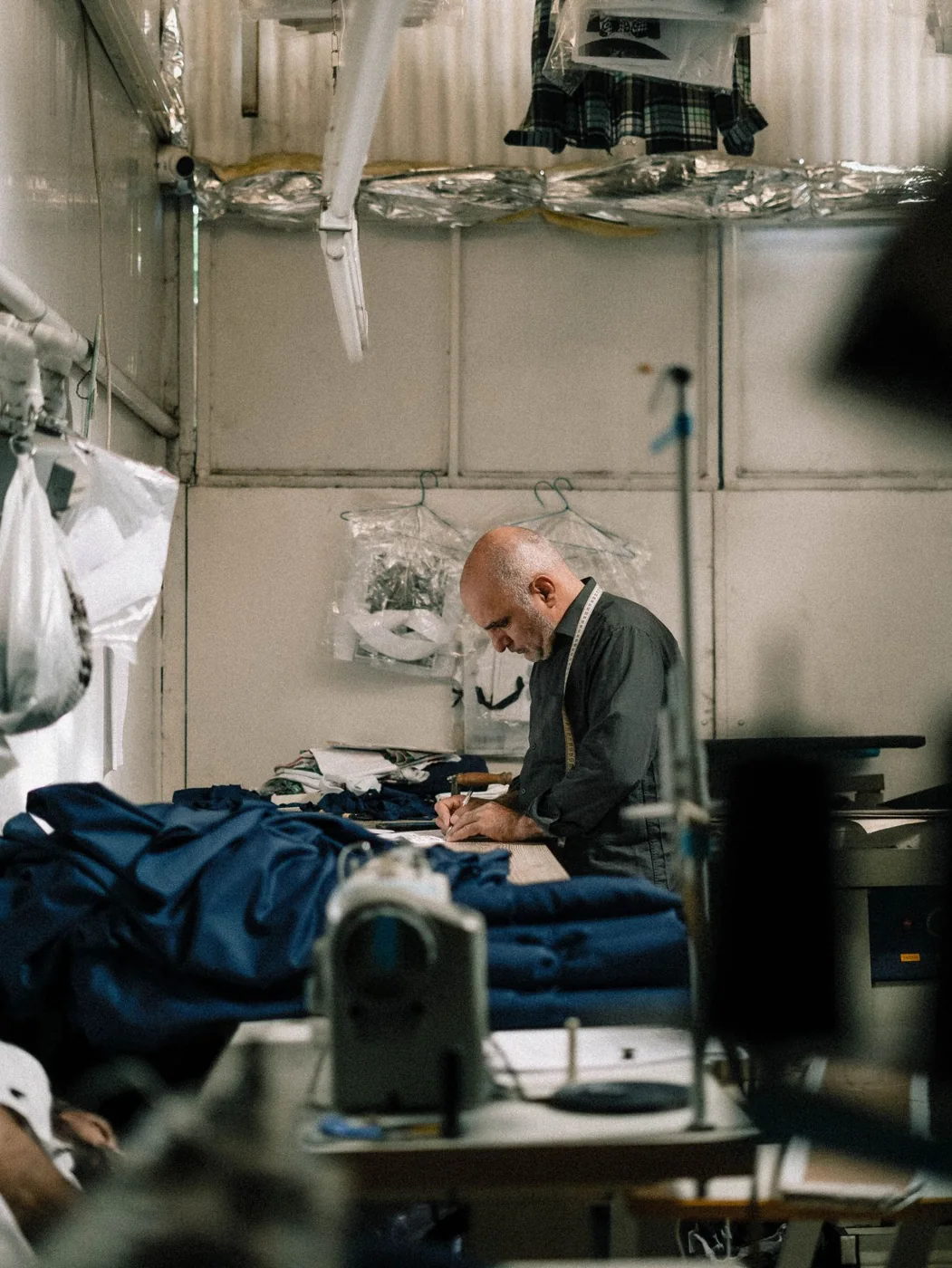
Illustrative stock photograph by Alireza Heidarpour: photo source. This scene does not identify our author or establish a product test.